

Are you feeling overwhelmed by the clutter in your home? Do you find it difficult to stay organised and keep things tidy? If so, you're not alone. Decluttering your home can seem like a daunting task, but with the right plan in place, it can be a manageable and rewarding process.
A cluttered home can lead to stress, anxiety, and hinder your ability to relax and focus. By decluttering and organising your living space, you can create a calmer and more efficient environment. But! Knowing where to start and what to prioritise can be challenging.
Having a checklist can help guide you through the decluttering process, ensuring that no area of your home is overlooked. From tackling the kitchen to clearing out the closet, a home decluttering checklist can provide you with a roadmap to a more organised and peaceful living space. Let's explore the essential steps to decluttering your home effectively.
Key Takeaways
- A home decluttering checklist is essential for reducing stress, increasing productivity, and creating a harmonious living environment.
- Sustainable practices in home decluttering focus on reducing waste, promoting reusability, and minimising environmental impact.
- Effective decluttering practices for specific areas like kitchens, living rooms, bathrooms, home offices, and children's rooms involve systematic organisation, regular decluttering, and sustainable methods.
- Sorting and disposal strategies in home decluttering include assessing utility, condition, sentimental value, and frequency of use, utilising optimal storage solutions, donating unwanted items responsibly, and learning from past decluttering mistakes.
What Is a Home Decluttering Checklist?
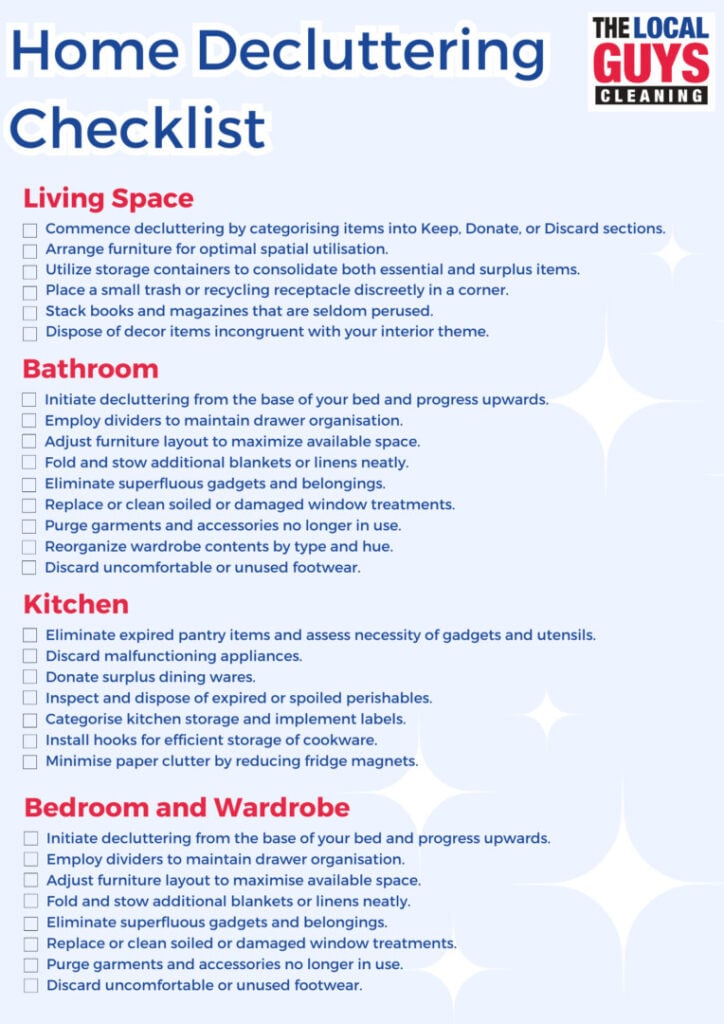
A home decluttering checklist is a systematic inventory of tasks designed to organise and streamline the decluttering process efficiently. This checklist serves as a guide to help individuals tackle the clutter in their homes methodically. It outlines specific areas and tasks that need attention, making the decluttering process less overwhelming and more manageable.
By utilising a home checklist, individuals can ensure that no corner or item in their house is overlooked during the decluttering process. Whether it's a free decluttering checklist found online like the one we've made below, a decluttering checklist you create yourself, or a printable declutter checklist you can tick off as you go, having a structured plan is key to success.
A declutter your home checklist typically includes tasks like sorting through belongings, identifying items to keep, donate, or discard, organising storage spaces, and creating systems to maintain a clutter-free environment. It prompts individuals to assess the value and utility of the things they own, encouraging them to let go of unnecessary items.
The benefits of decluttering extend beyond just a tidy living space. A well-executed home decluttering process can lead to reduced stress, increased productivity, better focus, and improved overall well-being. So, begin decluttering today using a comprehensive home decluttering checklist to reap these benefits and create a more harmonious living environment.
Why Start Home Decluttering?
Commence your home decluttering journey today to enhance your living space and well-being. Starting the process of decluttering your home can have numerous benefits beyond just a tidy living environment. By using a printable declutter checklist, you can effectively tackle areas that need organisation. The act of decluttering not only clears physical space but also declutters the mind, reducing stress and increasing productivity.
When you make decluttering a priority, you create a more functional and aesthetically pleasing living space. Eliminating excess items and unnecessary clutter can help you find things more easily, save time, and improve the overall flow of your home. It's time to declutter when you start feeling overwhelmed by the mess or when you struggle to locate items in your own home.
The process of decluttering involves making decisions about what to keep, donate, or discard. Utilizing a decluttering checklist can provide guidance on things to declutter in each room, making the task more manageable. Remember, decluttering is not just about organising belongings; it's about creating a space that promotes relaxation and clarity.
Incorporating decluttering tips into your routine can lead to a more organised and efficient lifestyle. Embrace the benefits of home organisation by starting your decluttering journey today.
What Are the Psychological Benefits of Home Decluttering?
Initiating home decluttering contributes to enhancing mental clarity and well-being through the act of simplifying and organising living spaces. When embarking on a decluttering project, the psychological benefits that accompany such efforts can be profound.
Here are four key advantages:
- Reduced Stress: A clutter-free environment can help reduce feelings of anxiety and overwhelm, promoting a sense of calm and relaxation in the home.
- Improved Focus: By removing unnecessary items and organising living spaces, decluttering can enhance focus and concentration, making it easier to complete tasks efficiently.
- Enhanced Productivity: A tidy space can boost productivity levels as it minimises distractions and allows individuals to navigate their surroundings with ease, leading to a more efficient workflow.
- Emotional Well-being: Letting go of sentimental items or items that no longer serve a purpose can be liberating, fostering a positive emotional state and creating room for new experiences and memories.
Incorporating decluttering into your routine not only helps maintain a clean and organized home but also nurtures your mental well-being. For those looking to streamline the decluttering process, considering professional cleaning services may be a good idea, especially when faced with a large number of household items ready to declutter.
How to Prepare for Home Decluttering?
To set the stage for successful home decluttering, thorough planning and organisation beforehand are imperative. Begin by utilising the ultimate decluttering checklist to ensure no essential steps are missed during the process. Start by decluttering one room at a time to avoid feeling overwhelmed.
Before diving into decluttering, invest in practical storage solutions to efficiently organise belongings. Allocate specific areas in the home, like the home office, for sorting items into categories such as keep, donate, or discard. When going through belongings, put things back in their designated places to maintain order throughout the decluttering journey.
Consider incorporating deep cleaning into your preparation routine to clear out any hidden clutter or dirt. For those considering selling their home, decluttering is important for enhancing the property's appeal in the real estate market. By preparing adequately and following a structured plan, the decluttering process can be more manageable and rewarding in the long run.
What Does a Checklist for Decluttering Your Home Include?
A comprehensive home decluttering checklist typically includes categorisation methods for belongings, storage solutions, and a plan for systematic decluttering. When embarking on the decluttering journey, having a structured approach can make the process more manageable and effective.
Here are four essential items commonly found in a decluttering checklist:
- Printable Checklist: Start by creating a printable declutter list to track your progress and stay organised throughout the decluttering process. A visual guide can help you focus on specific areas and keep you motivated.
- Categorise Living Room Items: Divide living room items into categories such as electronics, decor, and furniture. Sorting items by category can simplify decision-making and streamline the decluttering process.
- Dining Room List: Create a separate list for the dining room, including items like tableware, linens, and decor. By breaking down the decluttering tasks by room, you can tackle one area at a time efficiently.
- Storage Containers and Cleaning Supplies: Invest in storage containers to organize items and maximise space, especially in small living areas. Additionally, ensure you have essential cleaning supplies on hand to clean as you declutter, maintaining a tidy environment throughout the process.
What Tools Are Essential for Decluttering Your Home?
Regularly employing appropriate tools is important for effectively decluttering your home. When tackling your decluttering projects, having the right tools can make the process smoother and more efficient. One essential tool is a home decor printable checklist. This checklist can help you stay organised and focused on your decluttering goals, ensuring you don't overlook any areas in your home.
For organising projects, having storage bins, baskets, and labels can be incredibly beneficial. These tools can help you categorise items, maximise space, and maintain a clutter-free environment. When facing the decluttering challenge in your living room, consider using storage ottomans or shelving units to store away items that tend to accumulate in this space.
In the dining room, having a list of things to declutter can guide your efforts. Tools like drawer organizers, plate racks, or a buffet can assist in keeping your dining area tidy and well-organised. Seasonal items such as holiday decorations or seasonal clothing may require specialised storage containers to keep them neatly stowed away when not in use.
What Are Sustainable Practices in Home Decluttering?
Sustainable practices in home decluttering prioritise reducing waste, minimising environmental impact, and promoting longevity in belongings. These practices include:
Donation and Recycling: Instead of discarding items, donate them to charities or thrift stores for reuse by others. Similarly, recycle materials like paper, cardboard, glass, and plastics whenever possible.
- Upcycling and Repurposing: Transform old or unused items into new products through creative upcycling or repurposing techniques. This not only reduces waste but also adds unique touches to your home decor.
- Minimalism: Adopting a minimalist lifestyle by consciously acquiring fewer possessions and decluttering regularly helps reduce consumption and waste generation.
- Quality Over Quantity: Invest in high-quality, durable items that last longer and withstand wear and tear, reducing the need for frequent replacements.
- Secondhand Shopping: Opt for pre-owned or vintage items when adding to your home decor or wardrobe, contributing to the circular economy and reducing demand for new goods.
- Composting: Use kitchen scraps and yard waste for composting, diverting organic materials from landfills and creating nutrient-rich soil for gardening.
- DIY Cleaning Products: Make your own eco-friendly cleaning solutions using simple ingredients like vinegar, baking soda, and essential oils, reducing the use of harmful chemicals and plastic packaging.
- Digital Organisation: Digitise documents and photos to reduce paper clutter and minimise the need for physical storage space.
By incorporating these sustainable practices into your home decluttering routine, you can contribute to environmental conservation while creating a more organised and mindful living space.
What Are the Best Ways to Declutter Your Kitchen?
How can sustainable practices be implemented to effectively declutter your kitchen?
- Decluttering Tips: Start by sorting items into categories like keep, donate, recycle, or toss.
- Organise Efficiently: Utilise storage solutions such as drawer dividers, shelf risers, and clear containers to maximise space.
- Avoid Decluttering Mistakes: Don't hold onto items out of guilt or sentimentality; be ruthless in discarding unused or duplicate items.
- Maintain Home Organisation: Regularly revisit your kitchen decluttering efforts to ensure items are still being used and the space remains organized.
How Do You Effectively Declutter Living and Family Rooms?
To effectively declutter living and family rooms while implementing sustainable practices, use organisation methods and conscious consumption habits. Start by following a printable decluttering list that includes decluttering the living room and family room as essential tasks. Consider the benefits of decluttering, such as creating a more spacious and organised living environment.
Effective decluttering tips for these rooms include decluttering regularly, avoiding hoarding tendencies, and organising items based on frequency of use. Implement sustainable decluttering practices by donating or recycling items instead of throwing them away. Avoid common decluttering mistakes like keeping items out of guilt or attachment.
Prioritise living space organisation to maintain a clutter-free environment in these frequently used rooms. Remember to include decluttering bedrooms in your annual decluttering routine.
How Do You Declutter Bathrooms and Laundry Areas?
Decluttering bathrooms and laundry areas in a sustainable manner is pivotal for maintaining an organized and efficient home environment. To tackle this task effectively, consider the following:
- Declutter Bathrooms: Sort through the medicine cabinet, toiletries, medications AND the junk drawer check expiration dates and dispose of expired items. Use storage solutions to keep countertops clear. Clean shower glass regularly, so it doesn't build up.
- Organise Laundry Room: Install shelving for detergents and tools. Keep only necessary items in this space to maximise functionality.
- Avoid Common Mistakes: Don't hoard old towels or empty bottles. Regularly check for expired products in both areas.
- Seek Cleaning Assistance: Consider professional cleaning services for deep cleaning these spaces periodically.
How Do You Organise Home Offices and Study Spaces?
In organising home offices and study spaces sustainably, it is essential to create functional and clutter-free environments conducive to productivity and focus. Start by decluttering office supplies and papers, keeping only the essentials.
Utilise storage solutions like shelves, file organizers, and desk trays to maintain tidiness. Incorporate sustainable practices by opting for eco-friendly office supplies and cleaning products.
Avoid common decluttering mistakes like overcrowding desks with unnecessary items or neglecting to regularly purge old paperwork. Implement a study-friendly atmosphere by ensuring adequate lighting, comfortable seating, and minimal distractions.
How Do You Declutter Children's Rooms and Toys Effectively?
When decluttering children's rooms and toys effectively, prioritise organisation and sustainability.
- Start Small: Begin by decluttering one area at a time, like a toy bin or bookshelf, to avoid feeling overwhelmed.
- Create a Donation Pile: Teach kids about giving back by involving them in choosing unwanted items to donate to those in need.
- Sort Board Games and Toys: Keep only the ones that are played with regularly, ensuring the rest are either donated or stored away.
- Make a Decluttering List: Create a list of items that need to be organised or donated to stay on track and make the process more manageable.
How Can Children Be Included in the Decluttering Process?
To effectively involve children in the decluttering process and instill sustainable practices, regularly engaging them in organising their belongings is key. By including children in the home decluttering checklist, they learn the benefits of decluttering and develop essential decluttering practices.
Encourage them to make decisions about their items, teaching them the importance of organization and tidiness. Avoid common decluttering mistakes by guiding them through the decluttering process and celebrating decluttering progress together.
Make decluttering fun by turning it into a game or challenge, keeping children motivated and engaged in the decluttering essentials. This involvement not only teaches them valuable skills but also fosters a habit of home organisation that can last a lifetime.
How to Sort Items During Home Decluttering?
When beginning the process of sorting items during home decluttering, start by identifying items that are no longer used, needed, or loved.
Next, consider categorising items based on their frequency of use or sentimental value to prioritise what to keep, donate, or discard.
This systematic approach can help streamline the decluttering process and make decisions easier.
What Items to Declutter First in Your Home?
The first step in decluttering your home effectively is to prioritize the removal of duplicate items. When deciding what items to declutter first, consider these key categories:
- Clothing: Start by going through your wardrobe and removing any clothes that no longer fit or that you haven't worn in the past year.
- Kitchen Items: Declutter old or duplicate kitchen gadgets, utensils, and dishes that are taking up unnecessary space.
- Paperwork: Sort through paperwork and documents, shredding or recycling any outdated or irrelevant papers.
- Toiletries and Cosmetics: Dispose of expired or unused toiletries and cosmetics to free up space in your bathroom.
How to Dispose of Unwanted Items Responsibly?
When decluttering your home, it is SO important l to determine what items to keep or discard to streamline the process effectively.
Finding suitable storage solutions for your decluttered items can help maintain an organised space.
Donating unwanted but usable items to local charities or shelters can also be a responsible way to dispose of them.
How Do You Determine What to Keep or Discard?
Determining the retention or disposal of items in a home decluttering process necessitates thoughtful evaluation of their utility and significance. When deciding what to keep or discard, consider the following:
- Utility: Assess whether the item serves a practical purpose or adds value to your daily life.
- Condition: Keep items that are in good condition and discard those that are damaged or no longer usable.
- Sentimental Value: Evaluate the emotional significance of items and prioritise keeping those with sentimental value.
- Frequency of Use: Keep items that you use regularly and consider discarding those that are rarely used or serve no purpose.
What Storage Solutions Work Best for Decluttered Homes?
In the process of decluttering a home, implementing efficient storage solutions is crucial for maintaining an organised living space and responsibly disposing of unwanted items.
To optimize storage in the entire home, consider utilising storage solutions such as expandable child menus in cupboards, clear plastic containers for small appliances, and designated compartments in the linen closet for beauty products.
For frequently used items like throw pillows, a stylish storage ottoman or a bedside table with drawers can help keep them organised yet accessible.
When it comes to disposing of unwanted items, consider donating gently used items to charity, recycling where possible, or selling items online to reduce waste and promote sustainable practices.
Where to Donate Decluttered Items from Your Home?
Where can you donate decluttered items from your home to dispose of unwanted items responsibly? When decluttering, consider donating items that are in good condition and can be of use to others. Here are some options:
- Local Charities: Many local charities accept donations of clothing, household items, and furniture to help those in need.
- Online Donation Platforms: Websites like Freecycle, Buy Nothing and even facebook marketplace allow you to give away items for free to people in your community.
- Thrift Stores: Donate gently used items like clothing, books, and kitchenware to thrift stores where they can be resold to support charitable causes.
- Community Centers: Schools, libraries, and community centers often welcome donations of books, toys, and other items for various programs and activities.
What are essential strategies for effective home decluttering?
When decluttering your home effectively, it is crucial to consider strategies for tackling large spaces, adopting minimalist approaches, and utilizing quick decluttering tips. These methods can help busy homeowners maintain a clutter-free environment and experience the psychological benefits of decluttering.
Proper disposal of unwanted items is essential for responsible decluttering practices.
How to Tackle Large Spaces During Home Decluttering?
Utilise a systematic approach when decluttering large spaces in your home to effectively dispose of unwanted items by implementing essential strategies for a successful decluttering process.
- Sort Items: Divide items into categories like keep, donate, recycle, and trash.
- Use Cardboard Boxes: Label boxes for easy organisation of miscellaneous items.
- Declutter Room by Room: Start from one area like the living space or a coffee table.
- Avoid Biggest Decluttering Mistakes: Learn from past errors to streamline your decluttering process.
What Are Minimalist Approaches to Home Decluttering?
Minimalist strategies for decluttering emphasize simplifying living spaces, focusing on essentials, and fostering calm and order. Begin by categorizing belongings like extra cleaning rags and decorative pillows, evaluating each item's significance in your progress towards decluttering.
Using methods such as the KonMari Method to discern items that truly spark joy, ensuring only those that align with your goals remain. Implement the One In, One Out Rule to maintain balance, exchanging new acquisitions for existing ones.
Embrace negative space to create openness and reduce visual clutter, while prioritising quality over quantity in new purchases. Extend minimalist principles to digital spaces by organising and decluttering files and subscriptions. Curate a capsule wardrobe of versatile, beloved clothing items and opt for multi-functional furniture to maximize space efficiency.
What Are Quick Decluttering Tips for Busy Homeowners?
One effective strategy for busy homeowners looking to declutter their homes efficiently is to prioritize sorting items into designated categories for streamlined disposal.
- Clothing: Donate or sell items that no longer fit.
- Kitchenware: Recycle old utensils or donate unused items.
- Electronics: Properly recycle outdated devices.
- Home Decor: Sell or donate knick-knacks and decorations that no longer fit your style.
How Often to Update Decluttering Checklist?
When considering how often to update a decluttering checklist and responsibly dispose of unwanted items, it is essential to establish a regular schedule for reviewing and purging belongings in a systematic manner.
Regularly reassess items like dead batteries, single items without use, and old product boxes.
Donate or recycle old stuffed animals, unused twist ties, or pairs of scissors to keep homes clutter-free.
What Are the Psychological Benefits of Home Decluttering?
Psychological benefits of home decluttering can be maximised through the implementation of essential strategies for effective and responsible disposal of unwanted items.
- Reduced Stress: A clutter-free environment promotes a sense of calm and reduces feelings of overwhelm and anxiety.
- Improved Focus: Clear spaces allow for better concentration and productivity, as there are fewer distractions to contend with.
- Enhanced Mood: Tidying up can boost mood and energy levels by creating a more pleasant and uplifting atmosphere.
- Increased Creativity: An organised space fosters creativity and inspiration, as clutter-free surroundings provide mental clarity and freedom to think creatively.
- Sense of Accomplishment: Completing decluttering tasks provides a sense of achievement and boosts self-esteem, reinforcing feelings of competence and capability.
- Better Decision Making: Decluttering encourages mindful decision-making and helps develop the ability to prioritise and make choices more effectively.
- Improved Sleep Quality: A tidy bedroom promotes better sleep hygiene, leading to improved sleep quality and overall well-restedness.
- Greater Sense of Control: Taking charge of one's living environment through decluttering instills a sense of control and mastery over one's surroundings, reducing feelings of helplessness or chaos.
- Enhanced Relationships: A clutter-free home can improve relationships by creating a more inviting and harmonious environment for socializing and connecting with others.
How to Involve the Family in Home Decluttering?
To involve the family in home decluttering effectively, establish clear communication and assign specific responsibilities to ensure a collaborative and efficient process. Encourage open discussions about the decluttering goals and involve each family member in decision-making.
Implement a system for sorting items into categories like keep, donate, or discard. By involving everyone and clearly defining roles, the decluttering process becomes smoother and more inclusive.
What Makes Decluttering a Fun Family Activity?
Decluttering becomes a fun and engaging family activity when each member actively participates in responsibly disposing of unwanted items and effectively implementing essential strategies for home organisation.
- Encourage open communication about the decluttering process.
- Set achievable goals and timelines for decluttering sessions.
- Make decluttering a positive experience by celebrating small victories.
- Donate or recycle unwanted items responsibly to reduce environmental impact.
When Should You Think About Hiring a Professional Organizer?
When considering the hiring of a professional organiser for assistance in disposing of unwanted items and implementing essential strategies for effective home decluttering, it is important to assess the scope and complexity of the decluttering project.
Professional organisers can provide expertise in organising spaces, creating efficient storage solutions, and facilitating the decluttering process.
They offer valuable support for individuals seeking a structured and organized approach to home decluttering.
How Is Technology Facilitating Home Decluttering?
Technology plays a pivotal role in streamlining the process of disposing of unwanted items responsibly and implementing essential strategies for effective home decluttering.
- Utilise decluttering apps for organising tasks.
- Use online marketplaces to sell or donate unwanted items.
- Employ smart home devices for organisation and reminders.
- Consider digital storage solutions for reducing physical clutter.
What Is Digital Decluttering and How Can It Be Achieved?
Efficiently managing digital possessions is integral to maintaining an organized living space and optimising productivity.
To achieve digital decluttering, start by organizing files into folders, deleting duplicates, and uninstalling unused apps.
Regularly review and delete old emails, photos, and documents. Utilise cloud storage for important files and consider digitising paper documents.
What Digital Tools Can Aid Home Decluttering?
The integration of digital tools is instrumental in enhancing the efficiency of home decluttering processes.
- Inventory Apps: Use apps like Sortly or Encircle to catalog items.
- Decluttering Apps: Apps like Tody or Unfilth help organize tasks.
- Donation Apps: Explore apps like Give Back Box for donating items.
- Resale Platforms: Utilize platforms like eBay or Facebook Marketplace to sell unwanted items.
Frequently Asked Questions
How Can Home Decluttering Impact Relationships Within the Household?
Home decluttering can positively impact relationships within the household by reducing stress, increasing productivity, and fostering better communication. A clutter-free environment promotes harmony, encourages teamwork, and creates a sense of shared responsibility among family members.
What Are Some Common Challenges People Face When Decluttering Their Homes?
Common challenges people face when decluttering their homes include decision fatigue, sentimental attachments to items, lack of time, and overwhelm from the sheer volume of belongings. These obstacles can hinder progress and require thoughtful solutions.
Is There a Recommended Timeline for Completing a Home Decluttering Project?
When embarking on a home decluttering project, setting a timeline is important. A recommended approach is to break down tasks into manageable chunks and allocate specific timeframes to each. This systematic method helps maintain focus and progress.
How Can Decluttering Your Home Improve Your Overall Well-Being?
Decluttering your home can improve your overall well-being by reducing stress, increasing productivity, enhancing mental clarity, and fostering a sense of control and accomplishment. A tidy and organized space can positively impact your physical and mental health.
Are There Any Specific Strategies for Maintaining a Clutter-Free Home After Completing the Decluttering Process?
To maintain a clutter-free home post-decluttering, establish daily tidying routines, designate specific places for items, practice the "one in, one out" rule when acquiring new possessions, and periodically reassess belongings to prevent accumulation of unnecessary items.
The Wrap Up
home decluttering emerges as a valuable endeavor, enhancing mental well-being while fostering an orderly living environment. By adhering to a comprehensive checklist, proper preparation, employing essential tools, and embracing sustainable practices, individuals can streamline their homes effectively.
Thoughtfully organising belongings and responsibly disposing of unneeded items serve as pivotal stages in the decluttering journey. Ultimately, home decluttering stands as a pragmatic and fulfilling endeavor, promising a serene and harmonious domestic space.

